
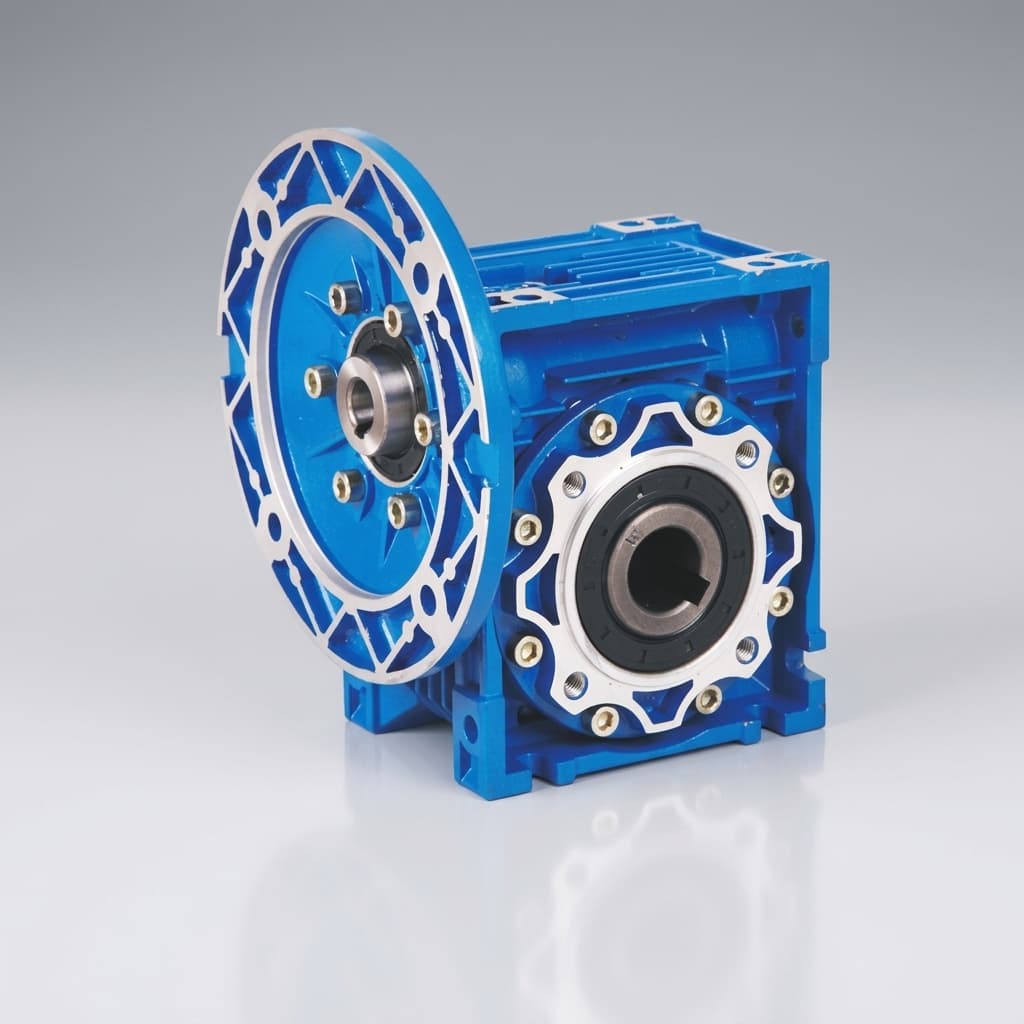
Robotized Gearbox RFQ Guide for Industrial Automation Buyers
An engineering checklist for sourcing robotized gearboxes, cycloidal reducers, and AGV drives without creating hidden integration risk. Learn what data your supplier actually needs.
Robotized gearbox searches usually come from buyers who already have an automation project in motion. The challenge is that the same phrase can mean a heavy-duty robot reducer, a cycloidal gearbox replacement, a hollow-shaft rotary module, or an AGV drive gearbox. A useful Request for Quotation (RFQ) must remove that ambiguity early to prevent long, frustrating email chains and incompatible product samples.
This guide provides a structured, engineering-first approach to writing a gearbox RFQ that gets you an accurate technical proposal and a reliable price on the first try.
Executive Summary
- Torque is not enough: Sizing requires continuous load profiles, acceleration (E-stop) torque, and radial/axial load limits.
- Standards Matter: Base your specifications on verifiable standards like DIN 3990 or ISO 6336 for load capacity.
- Tooling: Use our free Gearbox Sizing & Service Factor Calculator to determine the exact Nominal Torque (T2N) before emailing your supplier.
1. Start With the Machine Context
Before asking for price or lead time, define the machine context. Sourcing a gearbox for a continuous-duty welding positioner requires vastly different engineering assumptions than sourcing one for a low-duty prototype medical arm.
- Application Type: Is the gearbox for a 6-axis robot arm (which joint?), welding positioner, palletizer, rotary table, AGV wheel, or steering module?
- Project Phase: Is this a new greenfield design, a drop-in replacement for an incumbent model (e.g., cost-down program), or a retrofit for a failed machine?
- Duty Cycle Profile: Be specific. "Continuous" means different things to different people. State your cycle in terms of: prototype tests only, 8-hour single shift, 24/7 multi-shift production, or intermittent S5 duty (e.g., 20 seconds on, 40 seconds off).
2. Send Working Load Data, Not Just Nominal Torque
Do not rely on a single static torque number. For automation gearboxes, the useful data includes output torque at working speed, acceleration and braking behavior, shock load, cycle time, payload, target ratio, backlash limit, and expected service life.
The Mechanical Load Checklist
When submitting your RFQ, ensure your engineering team provides the following data points:
| Parameter | Why the Supplier Needs It | Risk if Omitted |
|---|---|---|
| Nominal Torque (T2N) | To size the base capacity of the gears and bearings. | Gear fatigue and premature wear. |
| Acceleration Torque (T2B) | Gearboxes experience the highest stress during start/stop. | Stripped teeth during emergency stops. |
| Input Speed (n1Nom / n1Max) | To calculate thermal heat generation and churning loss. | Overheating and seal failure. |
| Reduction Ratio (i) | To match your servo motor's optimal RPM to the load RPM. | Poor servo tuning, resonant vibration. |
| Radial & Axial Loads | To verify if the output bearings can support the external mass. | Bearing collapse, shaft deflection. |
| Target Backlash | To select standard vs. precision grinding (e.g., under 1 arcmin). | Poor positioning accuracy at the tool tip. |
Engineering Toolkit
Unsure about your Required Nominal Torque? Calculate your application's Service Factor (fs) instantly using our Gearbox Sizing Calculator.
For AGV and AMR platforms, also include: payload, wheel radius, maximum floor slope, target speed, motor data, and enclosure dimensional limits. Mobile robot gearboxes often fail from heat, noise, or bearing load long before they fail from exceeding catalog torque.
3. Freeze the Integration Interface Early
Most replacement projects fail because the interface was assumed, not checked. A gearbox that matches torque requirements is useless if it cannot physically bolt to your motor or machine casting.
Send drawings or measured dimensions for:
- Motor Flange: Pilot diameter, bolt circle diameter (BCD), and thread size.
- Motor Shaft: Diameter, length, and presence of a keyway or smooth shaft (for friction clamp collars).
- Output Flange/Shaft: How does the payload attach to the gearbox?
- Hollow Bore (if applicable): Include the actual cable or tube bundle size and the required bend-radius clearance. A bore that looks large enough in a catalog can still be unsafe for real-world cable routing once torsion is applied.
4. Define Sample Acceptance Criteria
A serious gearbox RFQ should state upfront how prototype samples will be accepted. This signals to the supplier that you have a professional validation process and prevents disputes later.
At a minimum, define your test parameters for:
- Dimensional Fit: Does it mount without modification?
- Backlash and Lost Motion: Measured with your payload.
- Acoustic Noise & Vibration: Especially critical for AGVs operating in quiet environments.
- Thermal Rise: Maximum allowable surface temperature after 2 hours of continuous operation.
- Environmental Exposure: Will the gearbox be exposed to dust, heat, welding spatter, aggressive coolant, or high vibration? (Specify IP rating if required).
5. The "Perfect" First Email Template
To shortcut the quoting process, copy and paste this structure into your RFQ email:
Subject: RFQ: Precision Gearbox for [Application] - [Company Name]
1. Application: [e.g., J2 axis of a 20kg payload palletizing robot] 2. Project Type: [e.g., New design / Drop-in replacement for Brand X Model Y] 3. Key Specs:
- Nominal Torque: [X] Nm
- Max Acceleration Torque (E-Stop): [Y] Nm
- Ratio: [Z]:1
- Backlash: [under 1 arcmin] 4. Interface: [Attached 2D drawing of motor flange / required output shaft] 5. Environment/Duty: [e.g., 24/7 operation, clean factory environment, 25°C ambient] 6. Volume: [e.g., 2 prototype samples needed by Q3; estimated annual volume of 500 units]
Conclusion: When a Custom Gearbox Makes Sense
A custom ratio, custom shaft, modified flange, or expanded hollow bore can make sense when the gearbox controls the overall machine size, simplifies cable routing, or provides private-label differentiation. However, custom work should always be tied to approved interface drawings, Critical-to-Quality (CTQ) dimensions, agreed-upon sample tests, and a realistic production forecast.
RobotizedGearbox reviews RFQs by application fit first. We analyze the product family, interface feasibility, validation risk, and export execution before sending a price, ensuring you receive a technically viable solution.
Ready to source? Send your load data to the RobotizedGearbox engineering team for a rapid technical review.
Author

Categories
More Posts
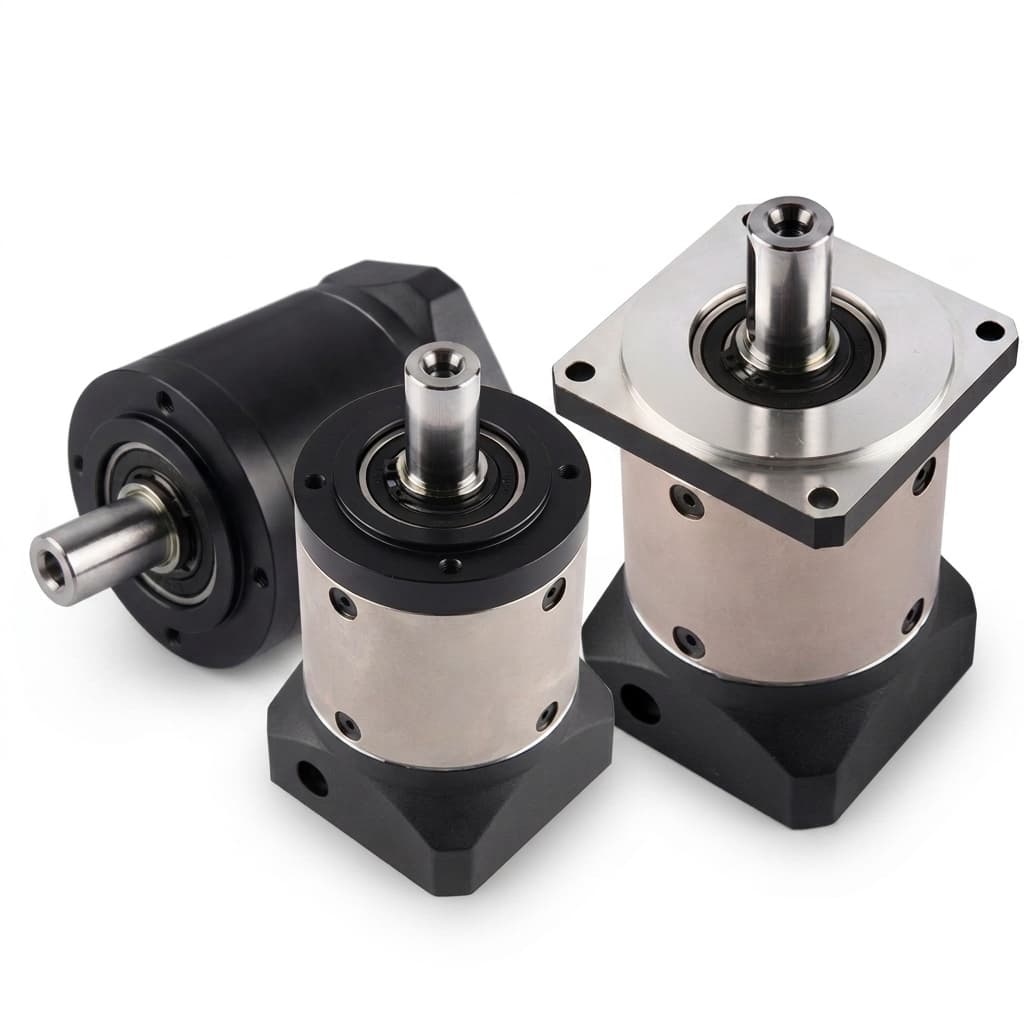
Hollow Shaft Gearboxes for Rotary Automation: Cable Routing and Moment Load Guide
How to specify hollow shaft gearboxes for robot wrists, rotary tables, and AGVs. Learn to balance through-bore clearance, thermal risks, and moment load capacity.
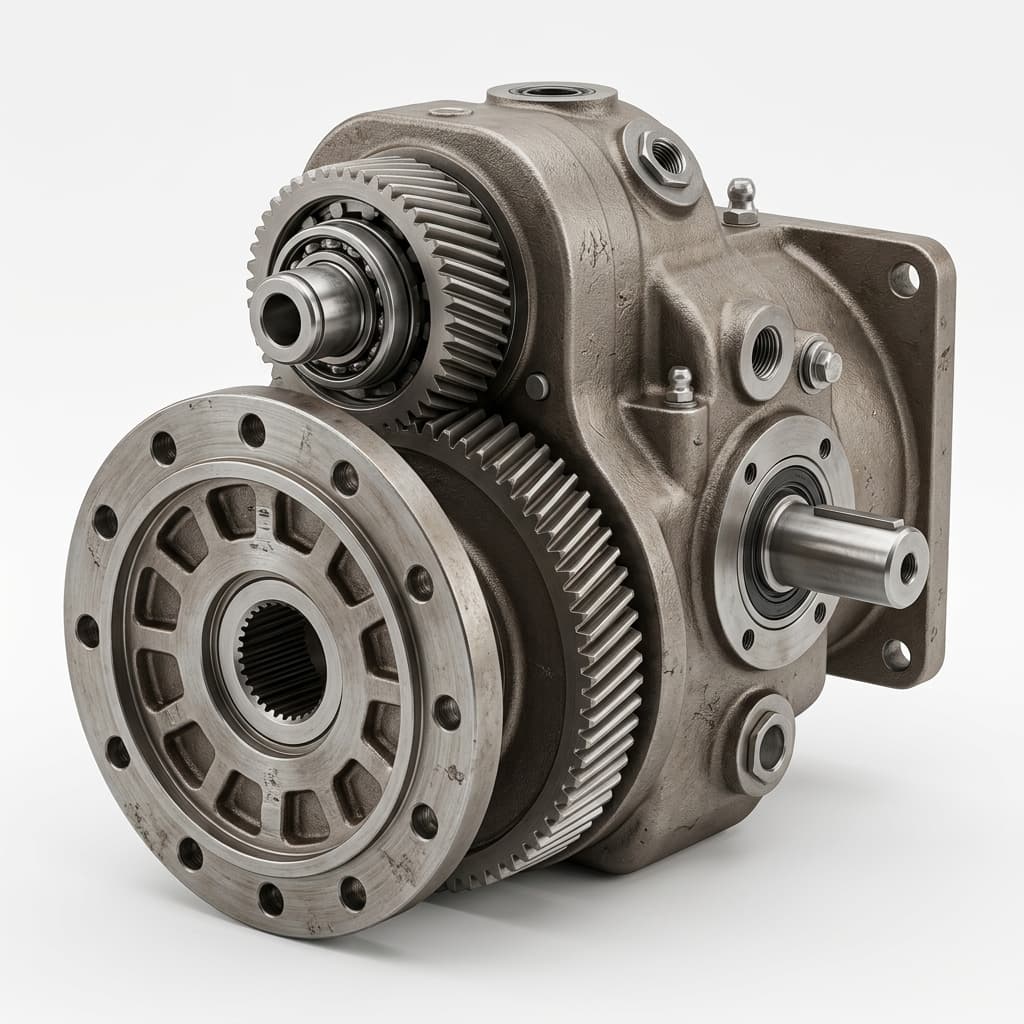
Nabtesco RV Gearbox Replacement: How to Verify Drop-In Compatibility from Chinese Suppliers
A procurement guide for sourcing RV-style cycloidal reducers from China. Learn how to verify drop-in compatibility, stiffness, and shock load capacity before switching.
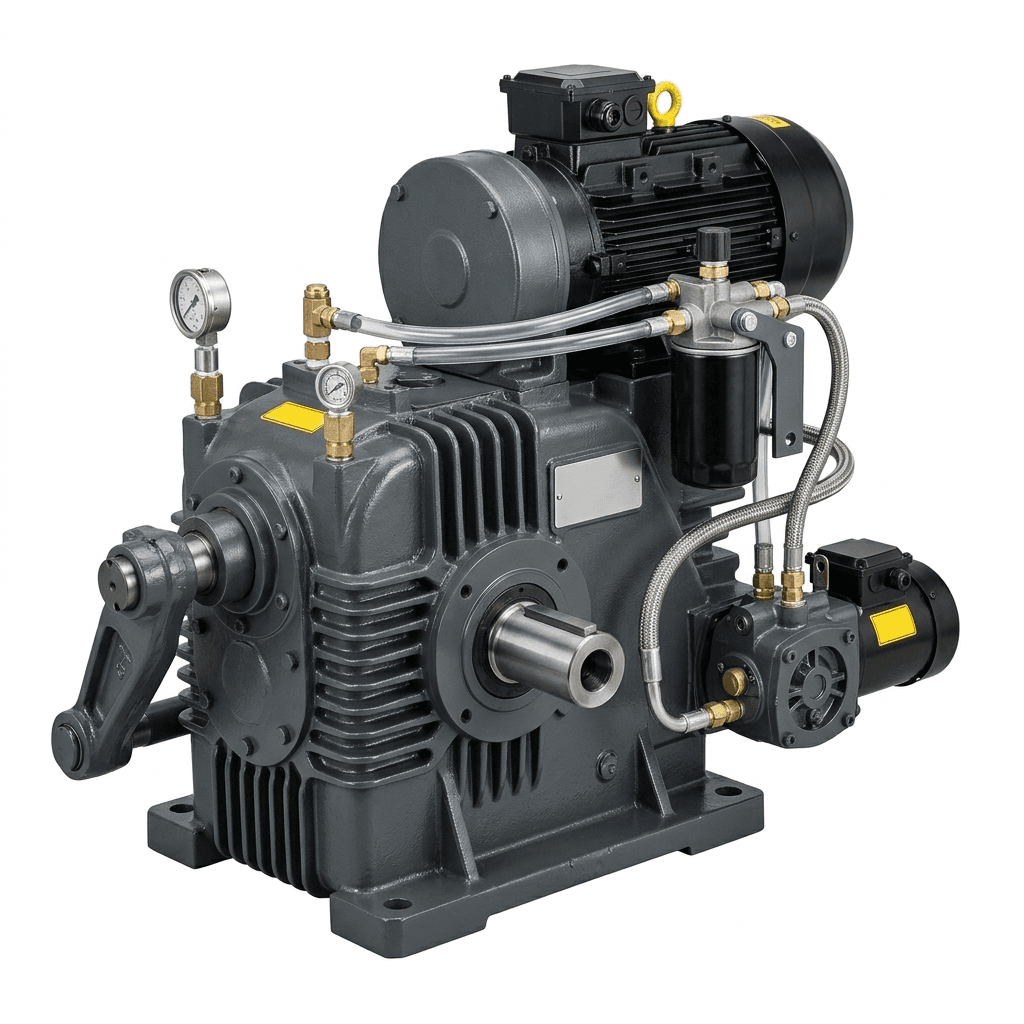
Preventing Thermal Failure in AGV and AMR Drive Gearboxes: A Sourcing Guide
Why compact AGV wheel gearboxes fail from heat before they fail from load, and how procurement and engineering teams can specify thermal limits correctly.