
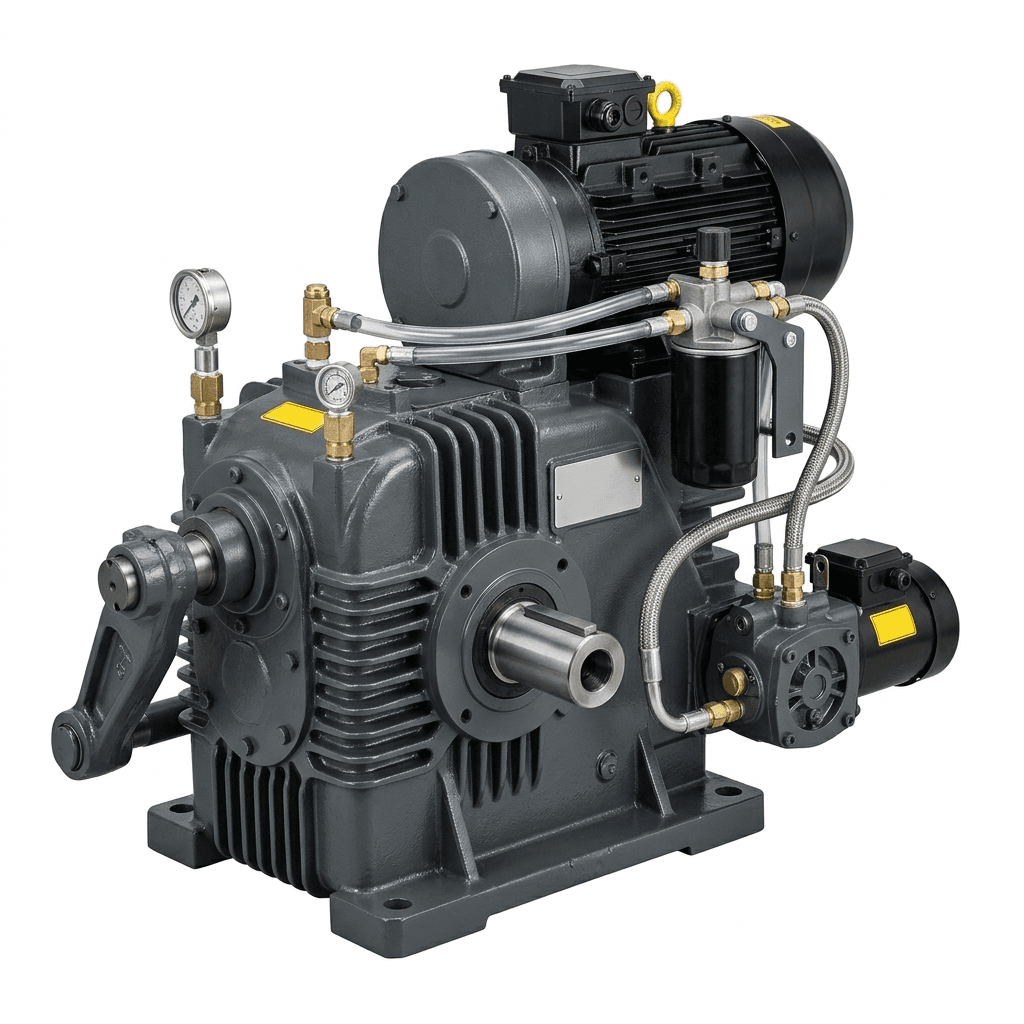
Preventing Thermal Failure in AGV and AMR Drive Gearboxes: A Sourcing Guide
Why compact AGV wheel gearboxes fail from heat before they fail from load, and how procurement and engineering teams can specify thermal limits correctly.
The automated guided vehicle (AGV) and autonomous mobile robot (AMR) sectors are driven by a relentless demand for density. Warehouse operators want smaller robots that can carry heavier payloads, operate in narrower aisles, and run continuously for 24 hours a day without stopping for long charge cycles. This pursuit of compact efficiency places an enormous burden on the core motion components, particularly the drive wheel gearboxes.
When procurement teams and engineers source gearboxes for these mobile platforms, they naturally focus on mechanical specifications: output torque, radial load capacity, and reduction ratio. In compact wheel drives, however, thermal capacity can become the limiting selection criterion once the unit runs continuously inside an insulated wheel package. Heat accumulates inside the confined space of the robot chassis, stressing seals, degrading lubricants, and ultimately increasing the risk of bearing or gear failure.
This engineering guide explores the physics of thermal failure in mobile robot drives, the critical differences between mechanical and thermal torque ratings, and what buyers must include in their RFQ to ensure long-term reliability.
Executive Summary
- The S1 Duty Trap: Most AGV gearbox failures occur because buyers select intermittent-duty (S5) gearboxes for continuous-duty (S1) warehouse platforms.
- Insulation by Design: Drive wheel gearboxes sit inside polyurethane wheels, acting as thermal insulators that trap heat and accelerate seal degradation.
- Solution: Specify AGV / AMR Drive Gearboxes with FKM seals and PAO synthetic lubricants to survive 50°C+ internal chassis temperatures.
Published and last reviewed: July 24, 2026. Scope: global AGV and AMR drive gearbox sourcing for compact warehouse, factory, and intralogistics robots. Limits: this guide is for RFQ screening and supplier review; final selection still requires a supplier thermal calculation or bench test using your duty cycle, wheel package, ambient temperature, lubricant, and seal material.
1. The Physics of Heat in Mobile Robot Drives
To understand why AGV gearboxes overheat, we must look at the operational environment and the physics of power transmission. Every gearbox, regardless of how precisely it is machined, experiences internal friction. This friction comes from gear teeth meshing, bearings rolling under heavy radial loads, and the viscous drag of the lubricant itself. This friction generates heat.
The Insulating Effect of Wheel Materials
In a traditional industrial setting, a gearbox mounted on a conveyor belt is exposed to open air, allowing for convective cooling. An AGV drive gearbox, however, is typically mounted directly inside the hub of the drive wheel to save space. The wheel itself is usually made of polyurethane, rubber, or a similar synthetic elastomer to provide traction. These materials are excellent thermal insulators. They trap the heat generated by the gearbox, preventing it from radiating outward.
Thermal Review Methodology
Use the RFQ thermal section to force an evidence-based review instead of accepting nominal torque alone. Ask shortlisted suppliers to document the assumed ambient temperature, wheel enclosure, duty cycle, chassis heat path, lubricant viscosity, seal material, and target housing or oil temperature. For continuous-shift AGVs, validate the selection with supplier thermal calculation or bench testing using the buyer's actual wheel package and motion profile.
The Confined Chassis Environment
The internal environment of an AMR is densely packed with batteries, motor controllers, sensors, and the traction motors themselves. All of these components generate heat. With no active cooling (like fans or liquid cooling) to save battery life, the ambient temperature inside the robot chassis can easily exceed 50°C (122°F) even in a climate-controlled warehouse.
Duty Cycle Realities: Continuous vs. Intermittent
Many industrial gearboxes are rated based on an intermittent duty cycle (often referred to as S5 duty in IEC standards). They are expected to run, stop, cool down, and run again. Modern AGVs operate on a continuous or S1 duty cycle. They move from station to station with only brief pauses for battery top-ups. Without a dedicated cool-down period, the thermal equilibrium of the gearbox steadily rises until it surpasses the safe operating limits of its internal components.
2. Mechanical Torque Ratings vs. Thermal Torque Limits
A common sourcing mistake is selecting an AGV gearbox purely based on the manufacturer's nominal mechanical torque rating (T2N). The nominal torque indicates the maximum load the gear teeth and output shaft can handle without breaking or suffering rapid fatigue.
However, the thermal torque limit is the maximum continuous torque the gearbox can transmit without its internal temperature exceeding a safe threshold (typically 90°C to 100°C for standard industrial gearboxes). In highly compact designs, the thermal torque limit is almost always lower than the mechanical torque limit.
Procurement teams must evaluate both criteria to avoid purchasing a gearbox that is mechanically capable but thermally inadequate for the application.
Comparison: Mechanical vs. Thermal Evaluation
| Evaluation Criteria | Mechanical Limit Focus | Thermal Limit Focus | Sourcing Impact | Failure Mode if Ignored | Resolution Strategy |
|---|---|---|---|---|---|
| Primary Metric | Nominal Torque (T2N) & Max Acceleration Torque (T2B) | Continuous Thermal Power & S1 Duty Torque | Dictates gearbox size based on payload. | Tooth breakage, shaft shearing. | Select based on peak payload and acceleration. |
| Duty Cycle | Short peaks during acceleration/braking. | RMS (Root Mean Square) continuous operation. | Dictates thermal mass and cooling needs. | Overheating during 24/7 warehouse shifts. | Request S1 duty cycle verification from supplier. |
| Environmental Factor | Shock loads from uneven warehouse floors. | Ambient chassis temperature and insulation. | Affects seal material choice and oil viscosity. | Seal melting, lubricant vaporization. | Specify operating ambient temps in RFQ. |
| Bearing Life (L10h) | Radial and axial load capacities. | Temperature effects on lubrication film thickness. | Dictates bearing type (e.g., angular contact). | Premature pitting and spalling of bearings. | Use synthetic high-temp lubricants. |
| Speed Profile | Maximum input speed (n1Max). | Average continuous input speed (n1Nom). | Higher speeds mean higher viscous friction. | Heat buildup from churning loss. | Optimize gear ratios to lower input speeds. |
| Materials | Hardened steel gears, rigid cast housings. | Heat dissipation rates of housing materials (Al vs Iron). | Influences weight and thermal conductivity. | Heat trapped inside the casing. | Prefer finned aluminum housings where possible. |
3. Common Signs and Consequences of Thermal Degradation
When an AGV drive gearbox operates beyond its thermal limits, it does not fail immediately. The degradation is insidious and often misdiagnosed as a mechanical defect.
- Lubricant Breakdown: Standard mineral oils and even some synthetic greases have specific temperature operating ranges. When the internal temperature exceeds 100°C, the viscosity of the lubricant drops dramatically. The protective oil film between the gear teeth breaks down, leading to metal-on-metal contact, rapid wear, and the introduction of excessive backlash.
- Seal Failure: The rotary shaft seals (typically made of NBR or standard Viton) are the most heat-sensitive components. Prolonged exposure to high temperatures causes the elastomers to harden, crack, and lose their sealing lip pressure. This leads to lubricant leakage onto the warehouse floor—a massive safety and contamination issue—and allows dust and moisture to enter the gearbox.
- Bearing Expansion and Preload Loss: As temperatures rise, the steel components expand. If the thermal expansion of the shaft differs significantly from the housing, it can alter the preload on the bearings. This either causes the bearings to bind (generating even more heat) or become loose, resulting in severe vibrations, noise, and loss of positioning accuracy.
4. The AGV Gearbox Procurement and Engineering Checklist
To prevent thermal failures, the sourcing process must transition from simply matching torque numbers to defining the complete operational profile. Buyers and engineers should use the following checklist when submitting an RFQ to a gearbox manufacturer. Providing this data upfront prevents long quote loops and ensures the supplier selects a thermally safe unit.
- Maximum and Average Payload: What is the heaviest load the AGV will carry, and what is the typical continuous load?
- Velocity Profile: What is the maximum speed, and what is the average cruising speed? High continuous speeds generate significant churning losses.
- Duty Cycle Definition: Will the AGV run on a 24/7 schedule? What percentage of the time is it moving versus idling at a charging or picking station?
- Wheel Material and Dimensions: Provide the outer diameter of the wheel and the material (e.g., 85 Shore A Polyurethane). This helps the supplier calculate the insulating effect.
- Ambient Temperature Range: What is the temperature of the warehouse? Is the AGV operating in a cold storage facility (-20°C) or a hot distribution center (+40°C)? What is the estimated temperature inside the robot chassis?
- Radial and Axial Loads: Define the weight resting directly on the gearbox output shaft, factoring in the position of the wheel bearing.
- IP Rating Requirements: Does the gearbox need to withstand washdown environments? (Note: Higher IP ratings often require tighter seals, which generate more friction heat).
Positioning is a separate acceptance question from thermal capacity. Use the AGV drive wheel gearbox backlash budget calculator to convert the output-angle allowance to wheel travel, then specify the supplier's backlash metric and test condition in the RFQ.
Before releasing a production RFQ, ask shortlisted suppliers for a one-page thermal evidence pack: S1 torque at your stated ambient temperature, assumed chassis or wheel cooling condition, estimated oil sump or housing temperature, lubricant grade, seal material, and the duty-cycle calculation behind the recommendation. If you want RobotizedGearbox to review that pack before you commit to tooling, send the application details to our engineering team.
5. Design Mitigations: How Suppliers Solve the Heat Problem
When a supplier receives a complete thermal profile, they can deploy several design mitigations to keep the gearbox within its Safe Operating Area.
- Optimized Gear Geometry: By fine-tuning the micro-geometry of the gear teeth (crowning and profile shifting), manufacturers can reduce sliding friction and improve rolling contact, which generates less heat.
- High-Temperature Synthetic Lubricants: Upgrading from standard grease to premium synthetic PAO (Polyalphaolefin) or PG (Polyglycol) oils ensures the lubricant maintains its film thickness even at 110°C, while also improving heat transfer to the housing.
- FKM (Viton) Seals: Standard NBR seals degrade quickly under heat. FKM fluoroelastomer seals offer superior thermal resistance and chemical stability, preventing the leaks that lead to catastrophic dry-running.
- Aluminum Housings: While cast iron is strong and cost-effective, aluminum has a significantly higher thermal conductivity. Aluminum gearbox housings act as heat sinks, pulling thermal energy away from the gears and dissipating it into the chassis structure.
6. FAQ: Thermal Management in AGV Gearboxes
Q: Can we just use a larger gearbox to solve the heating issue? A: Upsizing the gearbox increases its thermal mass and surface area, which helps dissipate heat. However, a larger gearbox also adds weight to the AGV, reducing battery life, and requires more physical space, which may violate the compact design goals of the robot. It is often better to optimize the lubricant and housing material than to simply buy a larger unit.
Q: Why does my gearbox run hotter after the first month of operation? A: Assuming the payload hasn't changed, an increase in operating temperature often points to lubricant degradation or seal wear. If the initial lubricant was not rated for the actual operating temperatures, it may have oxidized, losing its lubricating properties and increasing internal friction.
Q: How does the choice between planetary and cycloidal gearboxes affect thermal performance? A: Planetary gearboxes typically offer better efficiency (often >95%) meaning they convert less energy into heat. Cycloidal gearboxes offer higher shock load resistance and zero backlash but generally have lower efficiency (80-85%), meaning they generate more heat for the same amount of mechanical work. The choice depends on whether precision or thermal efficiency is the higher priority for the specific AGV.
Q: Should we specify grease or oil lubrication for our AMR drives? A: Oil provides better heat dissipation as it flows and carries heat to the outer casing. However, it requires excellent sealing to prevent leaks. Grease is easier to seal and practically maintenance-free but tends to trap heat around the meshing gears. For continuous high-speed AMRs, specialized semi-fluid greases or oil baths are generally preferred.
7. Conclusion and Sourcing Strategy
Sourcing gearboxes for AGVs and AMRs requires looking beyond the basic catalog specifications. As mobile robots become more compact and operate on grueling 24/7 schedules, the thermal limits of the drive components become the defining factor in overall reliability. Procurement and engineering teams must work collaboratively to define the true duty cycle, ambient conditions, and integration constraints.
By treating the gearbox not as a standalone component, but as the core of a thermal system encased in an insulating wheel, buyers can prevent the costly downtime and reputational damage associated with premature drive failures.
RobotizedGearbox reviews every AGV and AMR RFQ by application fit first. We analyze your duty cycle, payload, and thermal constraints before quoting a product, ensuring your mobile robots stay on the floor and out of the maintenance bay.
Ready to discuss your mobile robot drive requirements? Contact our engineering team today to review your application and start the RFQ process.
Sources / References
- SKF / AGMA Technical Paper - Thermal Capacity of a Multi-Stage Gearbox: Explains how gearbox thermal rating is affected by power loss, efficiency, heat dissipation, and the surrounding environment. Available at: SKF media PDF
- Neugart - Gearboxes for AGVs and AMRs in Warehouse Automation: Details compact AGV/AMR gearbox packaging, heavy-load requirements, high efficiency, and continuous warehouse automation use cases. Available at: Neugart AGV/AMR gearboxes
- SKF - Sealing Materials: Reference for radial shaft seal materials and elastomer temperature behavior, including FKM use in higher-temperature sealing applications. Available at: SKF sealing materials
- SKF - Grease Life in Lubricated-for-Life Deep Groove Ball Bearings: Explains how operating temperature, grease type, speed, load, and environment influence lubricant service life. Available at: SKF grease-life PDF
Author

Categories
More Posts
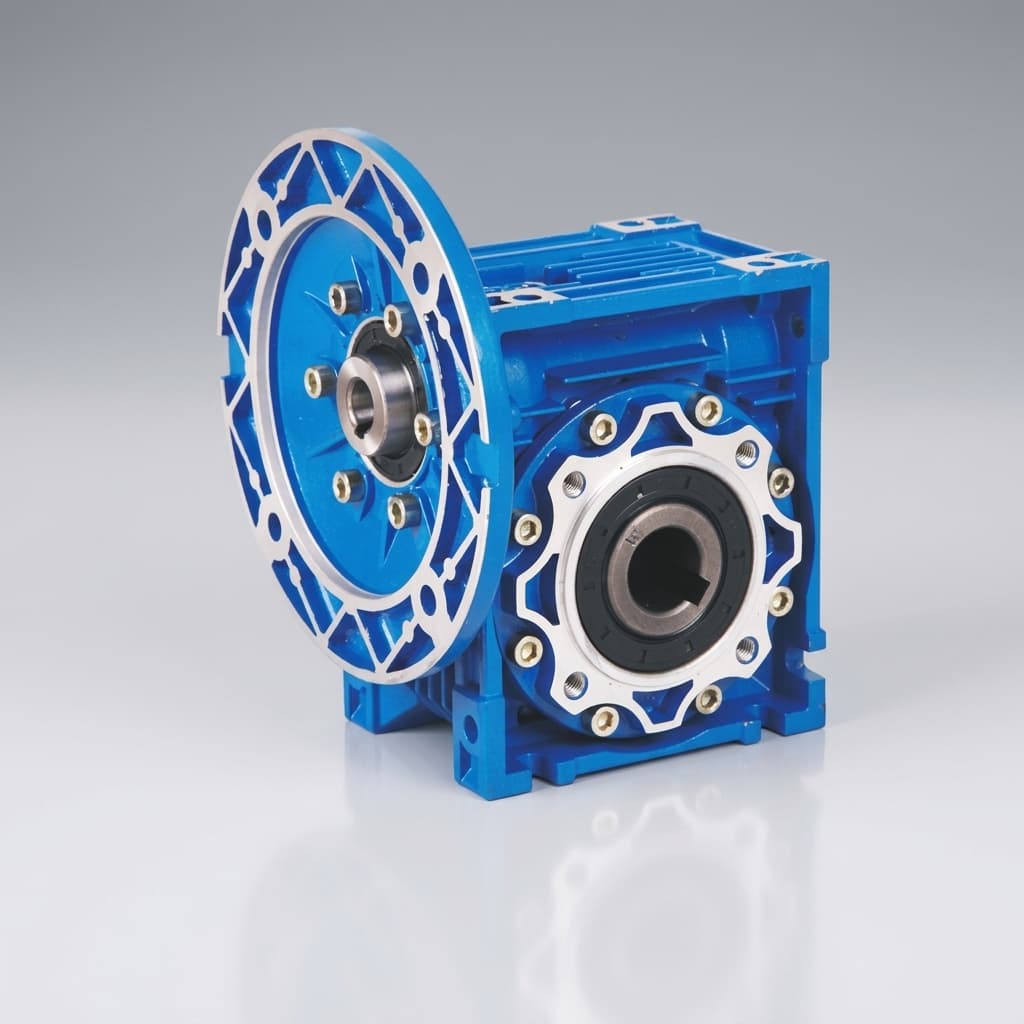
Robotized Gearbox RFQ Guide for Industrial Automation Buyers
An engineering checklist for sourcing robotized gearboxes, cycloidal reducers, and AGV drives without creating hidden integration risk. Learn what data your supplier actually needs.
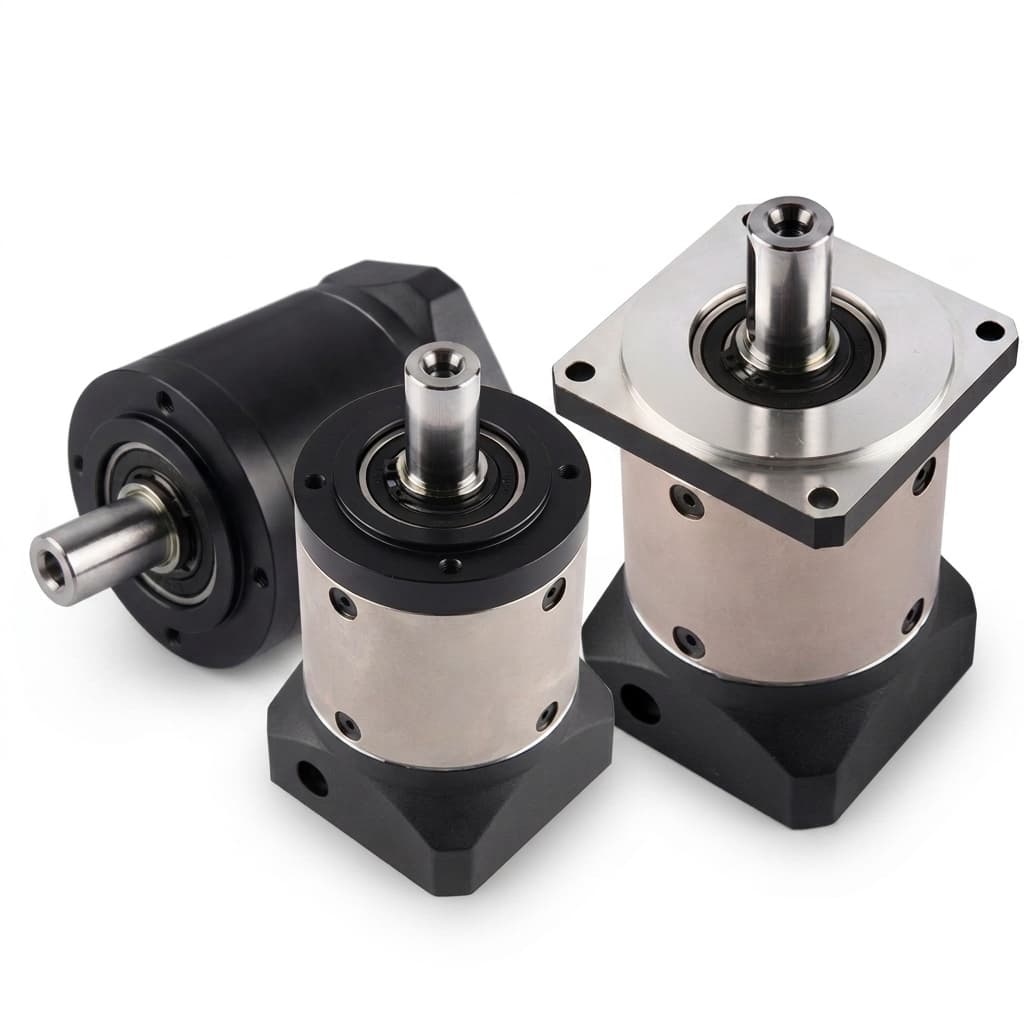
Hollow Shaft Gearboxes for Rotary Automation: Cable Routing and Moment Load Guide
How to specify hollow shaft gearboxes for robot wrists, rotary tables, and AGVs. Learn to balance through-bore clearance, thermal risks, and moment load capacity.
Specifying Gearboxes for High-Payload Cobots: Why 20kg+ Arms Require Cycloidal Drives
Learn how to specify high-payload cobot gearboxes for 20kg+ arms: harmonic vs cycloidal tradeoffs, joint architecture, RFQ checks, and supplier evidence.